Eat Sleep Football Repeat: A Designer’s Review
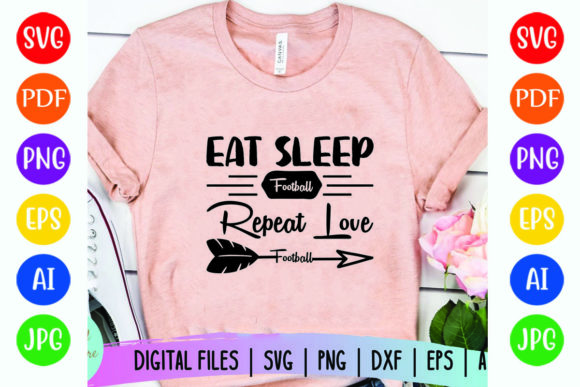
When I first pulled up Eat Sleep Football Repeat Love Football on my screen, my initial reaction was one of cautious optimism. As an experienced embroidery product reviewer and designer, I have seen countless sports-themed graphics that look fantastic on a monitor but turn into a tangled mess under the needle. This particular design, categorized under T-Shirt Designs and Graphics, promises versatility with its vector-based construction. But does it hold up when translated into thread? After reviewing the file structure and simulating its application on various fabrics, I am ready to share my practical insights for fellow crafters, Etsy sellers, and apparel decorators.
First Impressions and Visual Personality
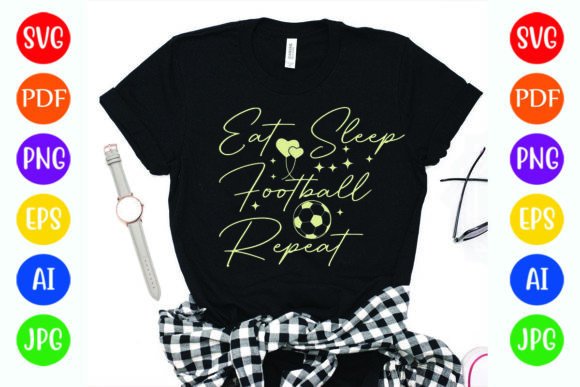
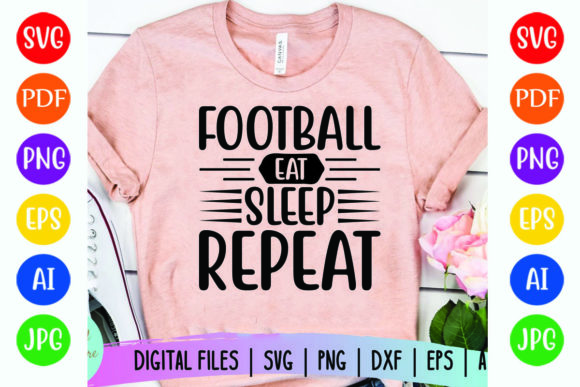
The mood of this design is energetic yet familiar. The phrase "Eat Sleep Football Repeat" taps into a universal sentiment among sports enthusiasts, creating an instant emotional connection. Visually, the layout feels balanced, avoiding the cluttered look that plagues many amateur designs. Because the product description notes it is made with 100 vector shapes and is resizable, the lines appear crisp and clean in the preview. This suggests that the underlying geometry is solid, which is crucial for maintaining clarity during stitching.
For a handmade product to succeed, it must communicate its message instantly. This design achieves that through strong typography and thematic icons. It does not rely on overly complex shading or tiny details that might get lost. Instead, it leans into bold shapes that translate well to the tactile nature of embroidery. Whether you are creating a personalized gift for a coach or a boutique product for a local team, the visual personality here is professional and approachable.
Real-World Application: The Sweatshirt Test
To truly evaluate Eat Sleep Football Repeat Love Football, I imagined a specific real-life scenario: preparing a custom embroidered sweatshirt for a high school football booster club. This is a common request for small shop owners and craft business operators. The challenge with sweatshirts is the fabric texture; fleece can be bulky and prone to shifting.
In this context, the design’s simplicity becomes its greatest asset. A complex applique design might require too much cutting and precision for a bulk order, but this graphic’s structure suggests it would work beautifully as a standard fill stitch or satin stitch combination. The bold lines would stand out against the textured background of the fleece, ensuring the message remains legible from a distance. For an Etsy seller, this means fewer customer complaints about readability and a higher perceived value for the finished product.
Beyond sweatshirts, this design is equally suited for tote bag designs. A canvas tote benefits from high-contrast stitching. If you were to use this as a digital embroidery file for a library or school fundraiser, the durability of the stitch pattern would ensure the design withstands frequent washing and heavy use. It transforms a simple bag into a statement piece, enhancing brand consistency for the organization.
Navigating Technical Challenges
While the design is robust, there are areas where caution is necessary. Embroidery designers know that not every surface is forgiving. If you plan to use this on thin fabric, such as a lightweight t-shirt or a baby onesie, you must pay close attention to stitch density. High-density areas can cause puckering, which ruins the professional look of any custom apparel. I recommend using a cut-away stabilizer for stretchy fabrics to provide adequate support.
Another consideration is hoop size. Although the file is resizable, shrinking it too much for a small hoop, such as those used for caps or baby embroidery projects, could compromise the legibility of the text. Tiny lettering often merges together when stitched, especially on curved surfaces like hats. For cap embroidery, I advise testing the design at a larger scale or simplifying the text if the original file allows for easy modification. Since the product includes AI, EPS, SVG, and PDF formats, you have the flexibility to adjust the layout before converting it into a machine embroidery design.
Dark fabrics present another challenge. If you are stitching on navy or black garments, ensure your thread colors have sufficient contrast. A dark thread on dark fabric will vanish. Use the included PNG transparent file to create printable mockups on different colored backgrounds before committing to thread. This step saves time and materials, allowing you to verify that the design pops visually.
Commercial Viability and Brand Trust
For commercial embroidery projects, consistency is key. Customers trust brands that deliver high-quality, durable items. Eat Sleep Football Repeat Love Football supports this trust by offering a clean, professional aesthetic. When used in holiday embroidery gifts or wedding gifts for sports-loving couples, the design elevates the perceived value of the item. It moves beyond a generic print to a crafted artifact.
Small business owners and digital product sellers should note the importance of licensing. While the design is ready to print and modify, always confirm the license terms before selling finished items or digital products. Using a proper machine embroidery design ensures that your stitch files are optimized for speed and quality, reducing machine downtime and thread breaks. This efficiency directly impacts your profit margin.
Practical Designer Notes
Before running this design on your final product, follow these essential steps:
- Test on Scrap Fabric: Always stitch a sample on the same type of fabric you intend to use. This reveals issues with tension and density.
- Check Thread Color Contrast: Ensure your chosen thread colors stand out against the fabric background.
- Review Stitch Density: If the design feels too heavy, consider reducing the density in your digitizing software if you have the skills, or choose a lighter weight fabric.
- Confirm Hoop Size: Make sure the design fits comfortably within your hoop without hitting the edges.
- Inspect Small Details: Zoom in on the vector shapes to ensure no lines are too thin to stitch reliably.
- Use Proper Stabilizer: Match the stabilizer to the fabric type—cut-away for knits, tear-away for wovens.
- Verify Licensing: Confirm whether the license allows for commercial use of finished goods or digital redistribution.
In conclusion, Eat Sleep Football Repeat Love Football is a versatile asset for any designer’s toolkit. It bridges the gap between digital graphics and tangible embroidery art. By understanding its strengths and limitations, you can create stunning handmade products that resonate with customers. Whether you are an hobbyist making a personalized gift or a professional managing a craft business, this design offers the reliability and visual appeal needed to succeed in the competitive market of custom apparel and decor.