In My Audiology Era: A Designer’s Review
As an embroidery designer who has spent years digitizing for everything from corporate polos to boutique baby blankets, I have learned that a design’s success is rarely about how it looks on a screen. It is about how it translates to thread, how it behaves under the needle, and ultimately, how it resonates with the person wearing or gifting the finished product. Recently, I evaluated In My Audiology Era, a graphic that taps into the current trend of professional pride mixed with playful aesthetics. Here is my honest assessment of how this design performs in real-world embroidery scenarios.
First Impressions and Visual Personality
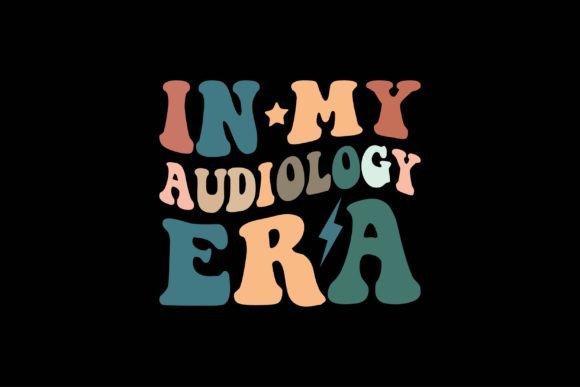
The phrase "In My Audiology Era" immediately signals a specific mood. It is confident, modern, and deeply personal. For audiologists, hearing aid specialists, and students in the field, this is not just a job title; it is an identity. Visually, the layout appears clean and balanced, which is crucial for embroidery. Unlike overly complex illustrations that can turn into a muddy mess of thread, this design relies on strong typography and clear spacing. This simplicity is a strength. It suggests that the design will stitch out cleanly without requiring excessive trim work or worrying about tiny, fragile details breaking during wear.
The visual personality here is professional yet approachable. It fits perfectly into the category of T-Shirt Designs and Graphics that are meant to be worn proudly. When I first opened the files, I looked for clarity in the lines. Since this is a text-heavy design, the kerning and font weight are critical. If the letters are too thin, they may disappear on textured fabrics. If they are too bold, the stitch density might become too high, causing puckering. From a reviewer’s standpoint, the balance seems right for standard apparel weights.
Real-World Application: The Custom Sweatshirt Test
To truly understand the value of In My Audiology Era, I imagined a specific client project. Let’s say a local clinic wants custom merchandise for their staff, or perhaps a graduate student wants a personalized gift for their clinical rotation. A heavyweight cotton sweatshirt is the ideal canvas. The fabric provides enough stability to support the stitching without excessive stabilizer, and the casual nature of the garment matches the trendy phrasing of the design.
When planning this embroidery project, I would place the design on the left chest for a subtle, professional look, or centered across the back for a bolder statement. On a sweatshirt, the texture of the fleece can sometimes swallow small details. However, because this design likely utilizes solid fills or clean satin stitches for the lettering, it should pop against the fabric. The contrast between the thread and the garment color is key here. A white or light gray thread on a navy or forest green sweatshirt would offer high visibility and a premium feel.
Beyond apparel, this design translates well to other handmade products. Imagine it embroidered on a sturdy canvas tote bag design for carrying textbooks or clinic supplies. The durability of the tote combined with the professional pride of the message creates a functional and sentimental item. It could also work beautifully on an embroidered patch, allowing the wearer to iron or sew it onto a denim jacket or lab coat, adding versatility to the finished product.
Technical Considerations for Stitching
While the design is visually appealing, technical execution is where many projects fail. As a reviewer, I must point out areas that require careful attention. First, consider the stitch density. Text designs often use satin stitch for smaller letters and fill stitch for larger ones. If the digitizer has packed too many stitches into a small area, the fabric may pucker, especially on lighter materials like a standard t-shirt. Always test on scrap fabric first. Use a cut-away stabilizer for stretchy knits to prevent distortion after washing.
The file formats provided are a significant advantage for flexibility. The package includes EPS, PDF, SVG, and PNG files. For those using embroidery machines, you will need to ensure you have the correct machine-specific format (such as DST, PES, or JEF), which may require converting the vector files or checking if additional formats are included in the ZIP. The inclusion of SVG and EPS is excellent for creating printable mockups or using cutting machines for vinyl applications if you want to mix media. The 300 DPI transparent PNG is perfect for digital previews on your Etsy shop or website, helping customers visualize the custom apparel before purchasing.
Be cautious with hoop size. Ensure the design fits comfortably within your hoop with adequate margin. If you are stitching on a curved surface like a cap, the design width must be narrow enough to avoid distortion over the seam. For baby embroidery or delicate items, check if the design can be scaled down without losing legibility. Tiny details in the lettering might merge if scaled too small, so always inspect the preview at actual size.
Commercial Viability and Brand Trust
For Etsy sellers and craft business owners, the commercial potential of In My Audiology Era is strong. Niche professions are underserved in the embroidery market. By offering high-quality, profession-specific designs, you build trust with your customers. They are not just buying a shirt; they are buying recognition of their hard work and study. This emotional connection drives higher engagement and allows for a premium price point.
However, professionalism is paramount. A sloppy stitch-out damages brand reputation. Ensure your thread colors are consistent and high-quality. Polyester threads offer durability and sheen, making them ideal for items that will undergo frequent washing, such as kitchen towels or daily-wear sweatshirt embroidery. Avoid rayon for high-wear items as it is less durable.
Before listing this as a small shop product, verify the licensing terms. The description mentions the files are compressed in a ZIP file, but it does not explicitly state commercial usage rights for the embroidery design itself. Always confirm whether you can sell finished physical items or if the license is for personal use only. Clarity here protects your business and respects the creator’s intellectual property.
Final Verdict
In My Audiology Era is a versatile and timely addition to any designer’s library. It bridges the gap between professional identity and modern style. Whether you are creating a holiday embroidery gift for a graduating student, stocking up on commercial embroidery inventory for a clinic, or making a personalized gift for a friend, this design holds up well. Just remember to respect the technical limits of your machine and fabric. Test your tension, choose the right stabilizer, and let the quality of your craftsmanship shine through. When done correctly, this design becomes more than just thread on fabric; it becomes a badge of honor for the wearer.